
Industrial intelligence / for a brighter tomorrow
Make here
what we need
here.
We identify what Africa imports, redesign what can be made locally, validate demand before committing capital, and build the capacity to manufacture it.
01 /The premise
We don't begin
with factories.
We begin with what needs to be made. SoCu Industries is developing the intelligence layer between real demand and productive capacity.
The old industrial model
01Capital
02Factory
03Products
04Hope there are customers
The new model
01Demand
02Design
03Prototype
04Orders
05Production
06Capacity
Demand first. Capex second.
02 /The SoCu model
See. Design. Test.
Make. Scale.
A disciplined sequence from an observed problem to a product that deserves to exist.
SEE
Find the friction.
DESIGN
Turn the problem into a file.
TEST
Make one before making thousands.
MAKE
Use the right capacity, wherever it exists.
SCALE
Own capacity when ownership becomes an advantage.
03 /Opportunity engine
What should Africa
make next?
The answer should not begin with intuition. We are developing a system that brings trade data, procurement behaviour and real-world industrial friction into focus.
01 / Signals in
+ Import data
+ Procurement
+ Replacement parts
+ Supply gaps
+ Lead times
+ Downtime
+ Local materials
+ Customer demand
SoCu industrial intelligence
Analyse → Connect → Prioritise
02 / Opportunities out
Localisation opportunities
Product candidates
Business cases
Production pathways
In development / not a live production platform
04 /Small things. Big consequences.
It doesn't always begin with the whole machine.
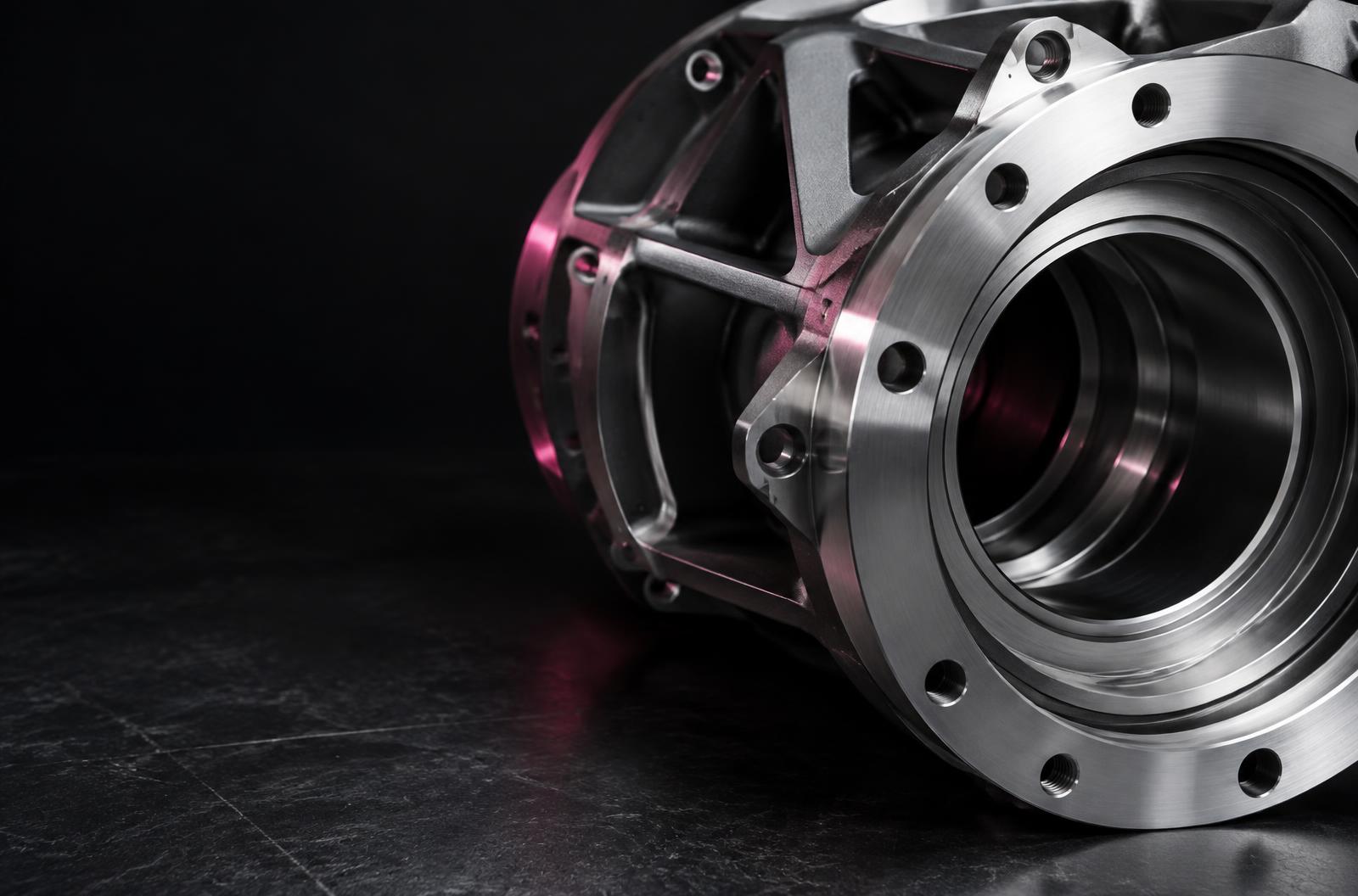
Sometimes the opportunity is a bracket. A housing. A replacement gear. A component that costs less than the shipping required to import it.
 Object study / 001
05 /Areas of investigation
Where we're
looking.
The overlooked physical bottlenecks hiding inside larger industries.
Keeping essential equipment working.
A better way to make it